
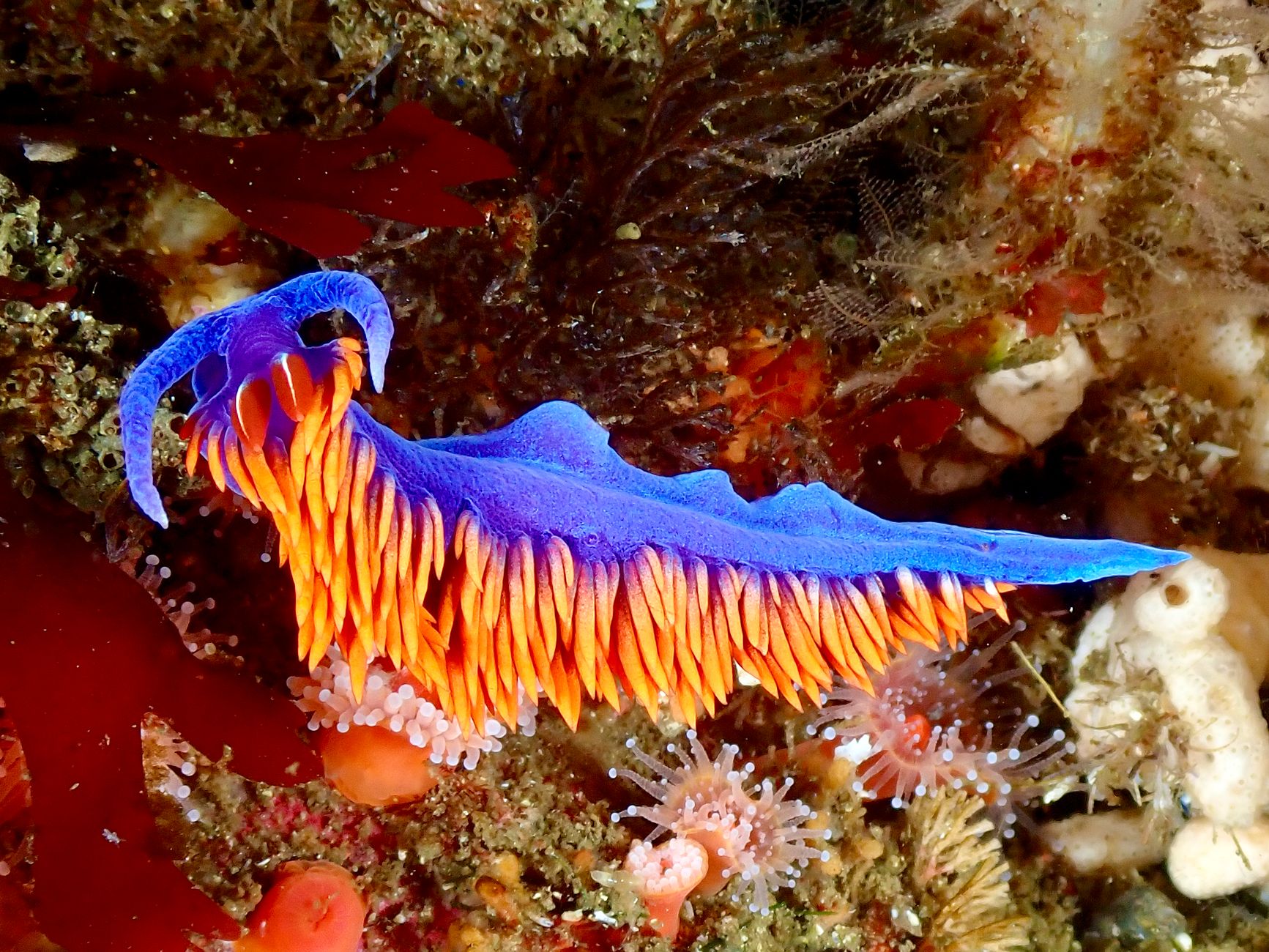
The new sea slug discovery has captivated scientists and nature enthusiasts alike. This remarkable find, smaller than a grain of rice, showcases the wonders of marine biology.
What is the new sea slug discovery?
In a remarkable turn of events, a student named Ho-Yeung Chan has made a new sea slug discovery that has captivated marine biologists and enthusiasts alike. This tiny creature, measuring less than a grain of rice, showcases the incredible diversity of life found in our oceans. The discovery was entirely accidental, as Chan stumbled upon the sea slug while conducting research in the waters off the coast of Hong Kong.
The newly identified species, which has yet to be officially named, belongs to a group known for their vibrant colors and unique shapes. Scientists are excited about this find, as it not only adds to the known biodiversity of sea slugs but also highlights the importance of studying marine ecosystems.
Chan’s discovery emphasizes the need for ongoing exploration and curiosity in the field of marine biology. As researchers continue to investigate the depths of our oceans, who knows what other wonders await? This serendipitous event serves as a reminder that sometimes, the best discoveries happen when you least expect them.
How the new sea slug discovery happened
The remarkable journey leading to the new sea slug discovery began unexpectedly when Ho-Yeung Chan, a marine biology student, was conducting routine research in a local tide pool. While examining various marine organisms, Chan noticed a tiny, vibrant creature that caught his attention. Initially, it appeared to be a common sea slug, but upon closer inspection, he realized it was something entirely new.
Chan meticulously documented his findings, taking photographs and collecting samples for further analysis. He shared his discovery with his professor, who was equally astonished. Together, they embarked on a thorough investigation, examining the creature’s unique characteristics.
Through genetic testing and comparisons with existing species, they confirmed that this new sea slug was indeed a previously unidentified species. The team was thrilled by the implications of their discovery, as it not only adds to the biodiversity of marine life but also highlights the importance of exploring our oceans.
This unexpected find serves as a reminder of the wonders that can be uncovered through curiosity and diligent research in marine biology.
Importance of the new sea slug discovery
The recent new sea slug discovery has significant implications for marine biology and biodiversity research. This tiny creature, smaller than a grain of rice, showcases the vast unexplored ecosystems within our oceans. Each new species discovered adds to our understanding of marine life and its complexities.
Moreover, the study of these unique organisms can shed light on evolutionary processes and environmental adaptations. Understanding how such diminutive sea slugs survive in their habitats can provide insights into the resilience of marine ecosystems, especially in the face of climate change and pollution.
Additionally, the new sea slug discovery emphasizes the importance of citizen science and education in fostering curiosity about the natural world. Ho-Yeung Chan’s serendipitous find illustrates how anyone can contribute to scientific knowledge, encouraging future generations to explore and protect our oceans.
Finally, documenting and conserving these newly identified species is crucial for maintaining biodiversity. Each new discovery serves as a reminder of the richness of marine life and the importance of protecting these environments for future studies and preservation efforts.
Where was the new sea slug discovery found?
The new sea slug discovery was made off the coast of Hong Kong, specifically in a marine reserve known for its rich biodiversity. This area, characterized by its vibrant coral reefs and diverse marine life, provided an ideal environment for the unexpected find.
Ho-Yeung Chan, the student who stumbled upon the tiny creature, was conducting research on local marine ecosystems. During a routine dive, he noticed a small, colorful slug that caught his attention due to its unique features. After careful observation and documentation, it became clear that this was not just any ordinary sea slug, but a previously unidentified species.
The location of the discovery has sparked interest among marine biologists and conservationists alike. They believe that the rich habitats around Hong Kong might hold more undiscovered species, emphasizing the need for continued exploration and protection of these vital ecosystems. The new sea slug discovery serves as a reminder of the wonders that still await beneath the ocean’s surface and the importance of studying marine life in such biodiverse areas.
Reactions to the new sea slug discovery
Reactions to the new sea slug discovery have been overwhelmingly positive, with marine biologists and enthusiasts alike expressing their excitement. Many experts highlight the significance of this find, not just for its uniqueness but also for what it reveals about marine biodiversity.
Ho-Yeung Chan, the student behind the discovery, has received praise for his keen observation skills and dedication to marine research. Dr. Emily Carter, a prominent marine biologist, stated, “This new sea slug discovery is a reminder of how much we still have to learn about our oceans.”
The scientific community has also noted the potential implications of the discovery for ecological studies. Professor Mark Thompson commented, “Every new species adds a piece to the puzzle of understanding our ecosystems. This sea slug may play a crucial role in its habitat.”
Public interest has surged as well, with social media buzzing with posts about the tiny creature. Local conservation groups are using the discovery to advocate for marine protection, emphasizing that every new species highlights the importance of preserving ocean habitats.
Overall, the new sea slug discovery has sparked conversations about the wonders of marine life and the need for continued exploration and conservation efforts.
Future research on new sea slug discovery
As researchers continue to analyze the implications of the new sea slug discovery, future studies are expected to delve deeper into various aspects of this tiny creature. Scientists aim to explore its ecological role and evolutionary significance within marine ecosystems.
Potential areas of research include:
- Habitat preferences: Understanding the specific environments where these sea slugs thrive can provide insights into their survival strategies.
- Feeding habits: Investigating what these slugs consume will help clarify their position in the food web.
- Genetic analysis: Studying the genetic makeup of the new sea slug discovery may reveal new information about its evolutionary lineage and relationships with other species.
- Impact of climate change: Examining how changing ocean conditions affect their populations could be crucial for conservation efforts.
Furthermore, interdisciplinary approaches involving marine biology and environmental science will enhance understanding of this vibrant ecosystem. As researchers collaborate, the new sea slug discovery may lead to broader revelations about marine biodiversity and the health of oceanic environments.
Photo by Chris Spain on Pexels