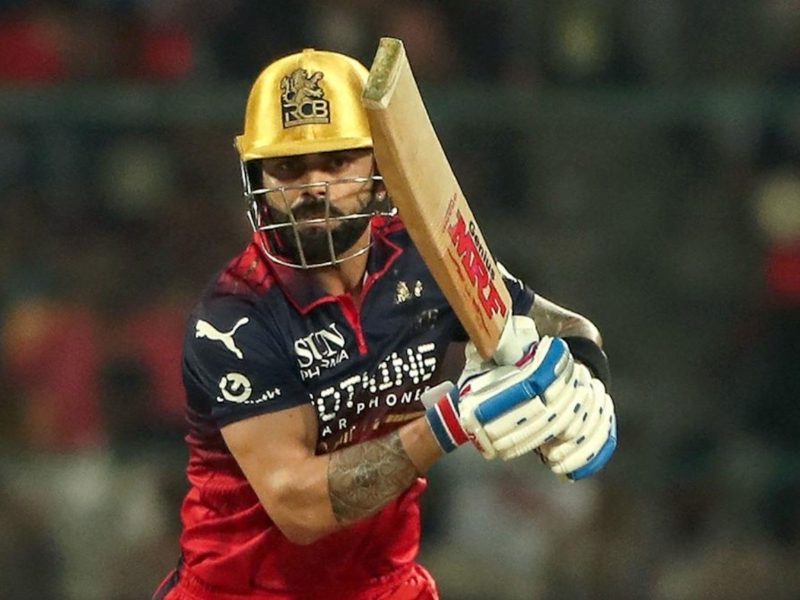
Run accumulation in IPL 2026 has become far more complex than traditional batting consistency. Teams are demanding aggressive scoring without sacrificing innings stability, which has fundamentally changed how top-order batters approach risk management. The season has therefore produced a highly competitive environment where elite run-makers are balancing acceleration with long-term reliability across varied pitch conditions.
Analytical conversations surrounding batting performance now extend beyond averages and milestone innings. Modern evaluation systems emphasize phase control, matchup awareness, and scoring sustainability against specialized bowling attacks. Much of the attention throughout the tournament has consequently shifted toward the evolving race for the orange cap holder in IPL 2026, especially as multiple batters continue producing high-impact performances across different tactical roles.
Why Orange Cap Contenders Are More Valuable Than Ever
The modern IPL structure places enormous pressure on top-order batters to influence matches immediately. Franchises no longer rely exclusively on finishers because powerplay scoring and middle-over momentum frequently determine playoff qualification.
Batters competing for the tournament’s leading run-scorer position have therefore become central to overall team balance. Their ability to absorb pressure while maintaining aggressive scoring rates provides tactical flexibility to batting units across long tournament stretches.
Sai Sudharsan’s Technical Consistency Under Pressure
Sai Sudharsan has emerged as one of the most technically dependable run-scorers during IPL 2026. Unlike purely explosive batters dependent on boundary sequences, Sudharsan has combined controlled strokeplay with intelligent strike rotation across multiple venues.
His ability to manipulate field placements through timing rather than raw power has proven especially valuable on slower surfaces. Several bowling attacks attempted defensive plans against him, yet he consistently found scoring options square of the wicket and through straight boundaries.
Virat Kohli’s Adaptation to Modern T20 Tempo
Virat Kohli’s approach throughout IPL 2026 reflected an experienced batter adapting effectively to changing T20 demands. While maintaining traditional strengths against pace bowling, he also increased scoring intent earlier in innings compared to previous seasons.
Match analysis from the tournament showed Kohli targeting spin more proactively during middle overs. Instead of preserving wickets excessively, he frequently accelerated immediately after field restrictions changed, allowing his team to maintain uninterrupted momentum.
Shot Selection Against Spin Bowling
Kohli repeatedly used controlled lofted drives and wrist-based placements to disrupt defensive spin strategies. His measured aggression prevented bowlers from settling into predictable lines.
Running Between Wickets
Several innings highlighted his continued excellence in converting singles into doubles. That pressure forced fielding sides into hurried boundary-saving movements.
Adaptability Across Venues
Unlike players dependent on flat batting tracks, Kohli maintained productivity on surfaces offering seam movement and variable bounce.
Influence on Team Structure
Stable scoring from Kohli repeatedly allowed middle-order hitters to attack with greater freedom during later overs.
Shubman Gill and the Evolution of Controlled Acceleration
Shubman Gill’s performances throughout IPL 2026 demonstrated how technically refined batters can still dominate in increasingly aggressive T20 environments. Rather than relying on reckless strokeplay, Gill constructed innings through controlled acceleration and precise placement.
Data from the season showed his scoring rate increasing substantially after the powerplay phase. Once bowlers shifted toward defensive fields, Gill consistently targeted gaps through timing and late shot adjustment.
Why Controlled Tempo Matters
Batters sustaining scoring momentum without excessive risk provide greater long-term value during lengthy tournaments where consistency becomes essential.
Boundary Placement Efficiency
Gill frequently generated boundaries through timing rather than brute force. That reduced false-shot percentages against high-quality bowling attacks.
Composure During Chases
Several successful run chases featured Gill maintaining calm decision-making despite rising required run rates and scoreboard pressure.
Tactical Discipline Against Pace
Fast bowlers attempting wide yorker strategies struggled because Gill adjusted his stance effectively before release.
Yashasvi Jaiswal’s Impact on Aggressive Top-Order Structures
Yashasvi Jaiswal remained one of the tournament’s most influential attacking openers during IPL 2026. His ability to attack seam bowling during the powerplay repeatedly provided early momentum advantages to his franchise.
What distinguished Jaiswal from many aggressive openers was his willingness to continue attacking after losing partners at the opposite end. Instead of entering consolidation mode, he frequently maintained scoring pressure through calculated stroke selection.
Important Tactical Strengths
- Strong pickup against short-pitched bowling
- Effective use of deep extra-cover regions
- Rapid scoring during field restrictions
Match Influence Beyond Statistics
- Early scoreboard pressure on opposition captains
- Greater flexibility for middle-order construction
- Faster recovery after powerplay wickets
How Pitch Conditions Are Affecting Orange Cap Battles
Surface variation throughout IPL 2026 has significantly influenced run-scoring patterns. Batters succeeding consistently across diverse venues have separated themselves from players thriving exclusively on batting-friendly pitches.
Several slower surfaces reduced boundary frequency during middle overs, increasing the importance of strike rotation and placement accuracy. Batters adapting quickly to conditions have maintained stronger tournament consistency.
Data Analytics and Batting Preparation in IPL 2026
Franchises are increasingly relying on advanced analytical systems to prepare batters against opposition bowling plans. Matchup reports now include release-point trends, slower-ball frequencies, and phase-specific field-setting patterns.
Leading run-scorers have benefited heavily from detailed preparation. Improved anticipation against specialized bowling attacks has increased scoring stability across the tournament.
Analytical Tools Used by Teams
- Ball-tracking software for release analysis
- Heat maps identifying scoring regions
- Predictive simulations against bowling variations
Tactical Metrics Monitored by Analysts
- False-shot percentage during middle overs
- Scoring efficiency against yorker lengths
- Boundary conversion against spin and pace
The Mental Demands of Sustained Run Accumulation
Remaining among tournament-leading run-scorers requires more than technical skill. Batters competing for season-long dominance must manage workload, expectations, and constant tactical scrutiny from opposition analysts.
Several leading performers showed composure after difficult innings by maintaining tactical clarity instead of making unnecessary technical changes across consecutive fixtures.
Final Thoughts
Which batter ultimately defines batting excellence during a season where tactical adaptability matters as much as raw scoring volume? IPL 2026 has shown that the most successful run-makers combine technical precision with situational awareness and calculated aggression against evolving bowling strategies. Through live cricket reporting, match analysis, player-focused insights, and tournament coverage, CBTF Speed News continues delivering detailed updates for audiences following the shifting dynamics of franchise cricket. Discussions surrounding the IPL 2026 orange cap race today will continue reflecting not only aggregate runs but also contextual influence across high-pressure matches.